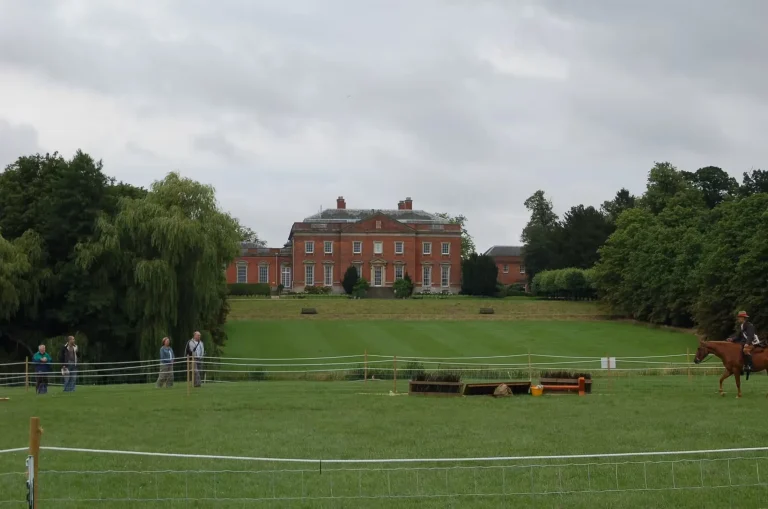
The Cromwell Monument, tucked away in the heart of England, serves as a moving tribute to Oliver Cromwell, one of the most influential and divisive figures in British history. Located just a short drive from The Loft, this remarkable historical site is perfect for history lovers, architecture enthusiasts, and anyone interested in England’s fascinating past. The monument is a blend of history, architecture, and culture, providing visitors with an enriching experience.
If you’re planning a visit, make sure to check out the 5 Best Family Hotels near Market Harborough in 2025, just a short distance away from the monument. These hotels offer a great mix of comfort and convenience for families looking to explore this part of England and learn about the fascinating history of Oliver Cromwell.
A visit to this historical monument is truly a journey through time. The article explains the historical context, the connection to Cromwell, and what you can expect when you visit. Prepare to be amazed by the powerful history and stunning architecture on display!
Oliver Cromwell: A Detailed Historical Overview

Oliver Cromwell (1599–1658) is one of the most polarizing figures in British history. People have both admired and criticized Cromwell’s legacy ever since his time as a military leader in the English Civil War and later as Lord Protector. His life’s high points and his lasting effect on Britain are the focus here.
Early Life and Rise to Power
- Born: April 25, 1599, in Huntingdon, England.
- Family Background: Cromwell was born into a relatively well-off Puritan family. His early life was not marked by extraordinary accomplishments, but his devout religious convictions and interest in politics set him on a course for later prominence.
- Political Beginnings: Cromwell first entered public life as a Member of Parliament for Cambridge in the early 1620s. His Puritan beliefs and increasing dissatisfaction with King Charles I’s rule played a significant role in his political career.
The English Civil War (1642–1651)
- Divided Nation: The English Civil War was fought between two main factions:
- Royalists: Supporters of King Charles I, who wanted to maintain the monarchy’s absolute power.
- Parliamentarians: Those who sought greater power for Parliament and a more limited monarchy.
- Cromwell’s Role: Cromwell emerged as one of the principal leaders of the Parliamentarian army, largely due to his military skills and fervent belief in the Puritan cause.
- The New Model Army: In 1645, a disciplined and powerful army, the New Model Army, under Cromwell’s leadership, decisively defeated the Royalists.
- Key Victories: Cromwell’s leadership contributed to significant Parliamentarian victories, including at Marston Moor (1644) and Naseby (1645), weakening the royalist cause.
The Execution of King Charles I (1649)
- Trial and Execution: By 1649, the Parliamentarians had gained control. King Charles I was arrested, tried for treason, and executed in January of that year.
- A Republican Shift: Following the king’s execution, England abolished the monarchy and declared itself a republic, known as the Commonwealth. Cromwell’s leadership during this time shaped the direction of English governance.
Lord Protector of the Commonwealth (1653–1658)
- Position of Power: In 1653, Cromwell was appointed Lord Protector of England, Scotland, and Ireland. This made him the head of state, effectively replacing the monarchy.
- Military and Political Achievements:
- Cromwell led the country through turbulent times, ensuring military stability and strengthening England’s defenses.
- His government worked to enforce a Puritan moral code, which included banning activities such as theatre, dancing, and gambling.
- Controversial Policies:
- Religious Intolerance: Cromwell’s strict Puritanism led to policies that marginalized Catholics, especially in Ireland.
- Irish Campaign (1649): Cromwell’s military campaign in Ireland was marked by extreme violence, including the massacre at Drogheda, which remains a highly controversial aspect of his legacy.
- Religious Persecution: While Cromwell tolerated some forms of Protestantism, he was harsh on Catholics and other non-Puritans, leading to long-lasting animosity.
Cromwell’s Death and the Restoration of the Monarchy
- Cromwell’s Death: After his death in 1658, Cromwell’s son, Richard Cromwell, briefly succeeded him as Lord Protector. However, Richard lacked his father’s political acumen and was unable to hold onto power.
- Restoration of the Monarchy: In 1660, England restored the monarchy under Charles II, marking the end of the republican experiment initiated by Cromwell. Despite his efforts to establish a republic, the monarchy was reinstated, and Cromwell’s family lost control of the government.
Cromwell’s Legacy
Cromwell’s legacy is one of the most debated in British history:
- Achievements: He is credited with weakening the monarchy’s power, creating a more representative form of government, and leading England during a period of great military success.
- Controversies: Cromwell’s leadership, marked by authoritarian rule and harsh policies (particularly in Ireland), is a subject of ongoing debate. A harsh, inflexible leader, some believe he imposed his Puritan beliefs. However, many others credit him with establishing greater religious and political liberties. His legacy remains complex and debated.
The Cromwell Monument
- Location: The Cromwell Monument is located at Naseby, Northampton NN6 6BS.
- Symbol of Debate: He’s remembered in this monument, but his true place in history is still debated. Was he a hero, fighting for freedom? Or a brutal dictator, crushing those beneath him? The answer is far from clear.
The Design and Architecture of the Cromwell Monument

Oliver Cromwell, a major player in British history, is celebrated by the impressive Cromwell Monument. William Wailes masterfully crafted a monument that’s both grand in its presence and simple in its design. This iconic structure serves as a potent reminder of the past, a testament to the era it represents. Its impact is undeniable; its aesthetic, timeless.
Monument Structure
- Tall Stone Obelisk: The monument is built in the form of a tall, imposing obelisk that stands proudly at Naseby, Northampton NN6 6BS. Its height makes it a prominent landmark, visible from various parts of the surrounding countryside, serving as a powerful reminder of the Battle of Naseby and Oliver Cromwell’s influence during the English Civil War
- Material: Constructed from high-quality stone, the monument is both durable and aesthetically appealing. The stone is finely crafted, showcasing the skill and artistry of the period.
- Intricate Carvings: The stonework features detailed carvings that reflect key scenes and symbols from Cromwell’s life and his role in shaping English history. These carvings include depictions of significant moments, such as his involvement in the English Civil War and his time as Lord Protector.
The Bust of Oliver Cromwell
- Lifelike Representation: At the top of the monument sits a bust of Oliver Cromwell, which is one of the most prominent features of the structure. The bust captures Cromwell’s determined and stern demeanor, reflecting the controversial and serious nature of his character.
- Symbol of Leadership: The lifelike quality of the bust provides a powerful representation of the man whose actions shaped the course of British history. It serves as a reminder of his leadership and the significant impact he had on the nation.
Surrounding Area and Design
- Setting: The monument is situated in a small park that provides a tranquil setting for visitors. The area is thoughtfully landscaped with benches and walking paths, allowing people to enjoy the beauty of the surroundings while reflecting on the monument’s historical significance.
- Historical Reflection: The park surrounding the monument creates a peaceful atmosphere, encouraging visitors to pause and think about Cromwell’s complex legacy—both his military achievements and the controversies surrounding his rule.
What to Expect When Visiting the Cromwell Monument
Visiting the Cromwell Monument offers a unique opportunity to immerse yourself in the history of Oliver Cromwell and the pivotal era of the English Civil War. Here’s what you can expect when visiting this historic site:
The Monument Itself
- Impressive Obelisk: As you approach the monument, you will be greeted by the towering stone obelisk, which stands tall at the heart of Naseby. This commanding structure is hard to miss, making it an iconic feature of the town’s landscape.
- Bust of Cromwell: At the top of the obelisk sits a striking bust of Oliver Cromwell, whose stern and determined expression captures the essence of this controversial historical figure.
Inscriptions and Historical Insight
- Monument Inscriptions: Visitors can explore the inscriptions on the monument, which provide valuable insights into Cromwell’s life, his significant role during the English Civil War, and his lasting impact on England’s political history.
- Informative Plaques: Nearby, you’ll find informative plaques that delve deeper into Cromwell’s journey, including details about the English Civil War, the execution of King Charles I, the Commonwealth, and his role as Lord Protector. These plaques are perfect for those interested in learning more about this transformative period in British history.
The Surrounding Park
- Peaceful Setting: The monument is situated within a small park, offering a tranquil environment for visitors to reflect on the historical significance of the site. The park is a lovely space for quiet contemplation and exploration.
- Leisurely Walks: Picture this: you’re sitting on a bench, enjoying the quiet, and the gentle breeze carries the scent of flowers. That’s what awaits you at the monument, with its pleasant walking paths and relaxing atmosphere.
- Photography Opportunities: The monument and its surroundings provide numerous opportunities for photography, allowing visitors to capture the striking monument against the backdrop of the town’s historic architecture.
Nearby Attractions and Things to Do

Market Harborough offers a wealth of historical and cultural attractions that make it an excellent destination for a day trip. After visiting the Cromwell Monument, there are several nearby sites and activities to explore. Here are some of the top attractions you can enjoy:
Fairfax View

- Battlefield Views: For a panoramic view of the battlefield where key moments of the English Civil War took place, Fairfax View, located near Naseby in Northamptonshire, is a must-visit.. This elevated spot provides an excellent vantage point, allowing visitors to appreciate the scale of the historic conflicts that once unfolded here.
- Historical Reflection: Standing at Fairfax View, you can reflect on the strategies used in the battle and the role of Market Harborough in the war. Informational plaques provide insights into the events that shaped the region’s history.
- Strategic Importance: This vantage point was crucial for commanders like Sir Thomas Fairfax and Oliver Cromwell, allowing them to oversee troop movements. The landscape provides insight into the tactical advantages held by each side, making it an important stop for history enthusiasts.
- Informational Plaques: On-site plaques provide details about the battle, highlighting key events, military formations, and historical figures involved. These markers help visitors understand the significance of this location in shaping the course of British history.
- Scenic and Reflective: Beyond its historical value, Fairfax View is a peaceful place to reflect on the past. The surrounding countryside enhances the experience, making it a great spot for walking, photography, and quiet contemplation.
Prince Rupert’s Viewpoint
- Historical Significance: Prince Rupert’s Viewpoint, located near Naseby in Northamptonshire, offers a direct connection to the Royalist side of the English Civil War. Named after Prince Rupert of the Rhine, the commander of the Royalist cavalry, this spot holds historical significance as it was from here that Prince Rupert observed and directed his forces during the pivotal Battle of Naseby.
- Strategic Perspective: This elevated viewpoint provides a clear understanding of the Royalist strategy during the battle. From this vantage point, visitors can visualize how Prince Rupert would have seen the movements of his troops and the battlefield, giving insight into the military tactics used during the conflict.
- Panoramic Views: The viewpoint offers spectacular panoramic views of the battlefield and surrounding landscape, allowing visitors to appreciate the scale of the conflict. The surrounding fields and rolling hills give a sense of the terrain that both sides had to navigate, adding depth to the historical narrative of the battle.
St. Dionysius’ Church

- Medieval Architecture: Just a short walk from the Cromwell Monument, St. Dionysius’ Church is a gorgeous medieval building; its Gothic architecture is breathtaking. Its tower is impressive, its interior incredibly detailed: this church is a major historical landmark.
- Historical Significance: Dating back to the 14th century, the church is a place of worship and a symbol of the town’s rich religious and architectural heritage. The church is open to visitors and often hosts community events and services.
The Old Grammar School

- Educational History: Step back in time at the Old Grammar School! This 17th-century building shows us what education was like long ago. A school established in 1614, it’s one of the region’s oldest. You can learn a lot about what schooling was like centuries ago.
- Historical Charm: The school building retains much of its historical charm, and while it is not always open to the public, you can admire its exterior and learn more about its history from nearby plaques.
The Harborough Museum

- Local History: Market Harborough’s history and its ties to Oliver Cromwell are fascinating! The Harborough Museum is the place to explore them. The museum’s exhibitions cover the town’s history, focusing on its involvement in the English Civil War and other important events. The impact of the war is clearly shown.
- Cromwell Connections: Visitors can explore displays about Cromwell’s time in the area, offering a deeper understanding of his impact on the town and the broader national events during his era.
Welland Park

- Scenic Green Space: Welland Park is a green haven perfect for chilling out. Stroll or picnic? This park has it all: well-kept lawns, plenty of trees for shade, and paths made for walking.
- Views of the Countryside: After touring Market Harborough’s historical spots, unwind in the park with its beautiful views of the surrounding countryside. It’s so peaceful!
Foxton Locks

- Canal System and Locks: Just a short drive from Market Harborough, Foxton Locks is a fascinating system of canals and locks that has been in use for over 200 years. It’s an engineering marvel and a peaceful spot for visitors interested in industrial history and waterway systems.
- Leisurely Activities: Visitors can enjoy a leisurely walk along the canal or take a boat ride to experience the locks in action. The surrounding area also features a small visitor center, providing information about the history of the locks.
Tips for Visiting and How to Get There
The Cromwell Monument is actually located on Naseby Battlefield, just west of the village of Naseby, rather than in Market Harborough itself. However, Market Harborough played a crucial role in the aftermath of the Battle of Naseby and is a great starting point for visiting the monument.
If you’re staying at The Loft or another nearby accommodation, it’s approximately a 20-minute drive to the monument site. You can either drive directly to Naseby Battlefield or join one of the historical tours that cover the Battle of Naseby and Cromwell’s involvement.
For those using public transport, Market Harborough is well-connected by train and bus services, making it easy to reach the town and hire a taxi or use local transport to reach Naseby Battlefield. Parking is available near the monument site, and visitors are encouraged to wear comfortable shoes as the terrain may be uneven.
Here are some helpful tips to ensure you make the most of your visit:
Check Opening Hours
- While the Cromwell Monument is always open to the public, some of the nearby attractions, such as the Harborough Museum and St. Dionysius’ Church, may have specific opening hours or be closed on certain days. It’s a good idea to check in advance to plan your visit.
Wear Comfortable Footwear
- If you plan to explore the surrounding attractions like Foxton Locks or Welland Park, be sure to wear comfortable footwear suitable for walking. Some sites may involve walking on uneven surfaces or across grassy areas.
Visit on a Quiet Day
- To enjoy a quieter, more reflective experience, consider visiting the Cromwell Monument early in the morning or on weekdays. The town can be busier during weekends, especially in the summer months, so planning your visit around less crowded times can offer a more peaceful atmosphere.
Best Hotel to Stay Near the Cromwell Monument: The Loft – Luxury Countryside Retreat

If you’re visiting the Cromwell Monument, The Loft is the perfect place to stay. This countryside retreat, a short drive from Market Harborough, wonderfully blends rustic charm with modern luxury.
Key Highlights:
- Location: The property is set on a private 14-acre estate in Northamptonshire, close to Market Harborough and the Cromwell Monument.
- Family-Friendly: Sleeps up to 6 guests with 2 bedrooms, 2 bathrooms, and child-friendly amenities like baby cots, high chairs, and entertainment options like XBOX ONE and Netflix.
- Eco-Friendly: Solar power, air-source heating, and filtered well water for a sustainable stay.
- Luxury & Comfort: Expansive open-plan living area with vaulted ceilings, panoramic countryside views, bespoke furnishings, and a fully equipped kitchen.
- Close to Attractions: Easy access to Silverstone Circuit, Leicester, Northampton, and scenic walking trails around Clipston Village.
The Loft offers a peaceful, eco-friendly, and luxurious stay with everything you need for both relaxation and exploration. Perfect for family getaways or group retreats. Book Now The Loft.