At A Glance
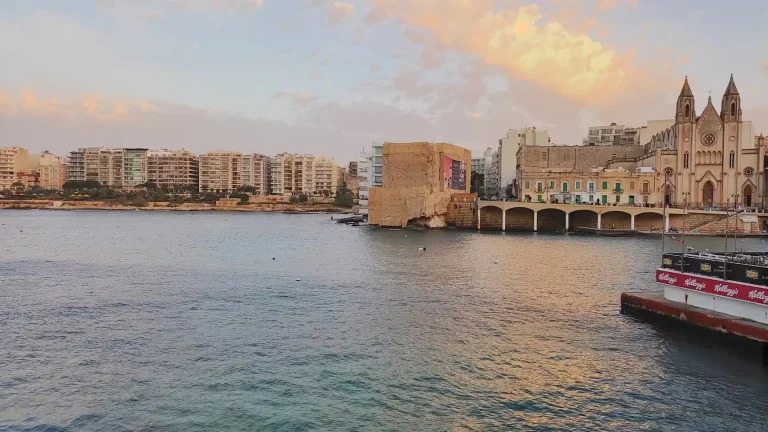
Cascais is a former fishing town on the Atlantic 30 km west of Lisbon, reachable in about 40 minutes on a single train line, and it works as a day trip or a base.
- The train from Cais do Sodré runs every 20 minutes and takes roughly 40 minutes end to end.
- Three small beaches sit inside the town itself, with Guincho’s surf 20 minutes further north.
- Boca do Inferno, the sea-carved cliff arch, is a 20 minute walk from the centre.
- Cabo da Roca, the westernmost point of mainland Europe, is about 30 minutes by car.
- A day needs about 3 km of walking. Two days lets you add Sintra or Guincho.
Cascais is the easiest good decision you can make on a Lisbon trip. It is a former fishing town that Portuguese royalty adopted as a summer retreat in the 1870s, which is why a place this small has grand villas, a citadel and a museum quarter, and it sits at the end of a train line that runs along the sea the whole way. If you are basing yourself in the city, Casa Almada is a walk from the station where that train leaves.
This guide covers what is actually worth your time in Cascais, what each thing costs you in walking, and how to fit the town into a wider trip. For the beaches either side of it, our guide to the Lisbon coast runs through the whole line from Carcavelos to Sesimbra.
Distances below are measured from Cascais station, which is where you will arrive. Where something needs a car or a bus rather than your feet, I have said so.
Visiting Cascais from Lisbon?
Casa Almada is central and a short walk from the Cascais train.
Where Is Cascais, Portugal, and Is It Worth Visiting?
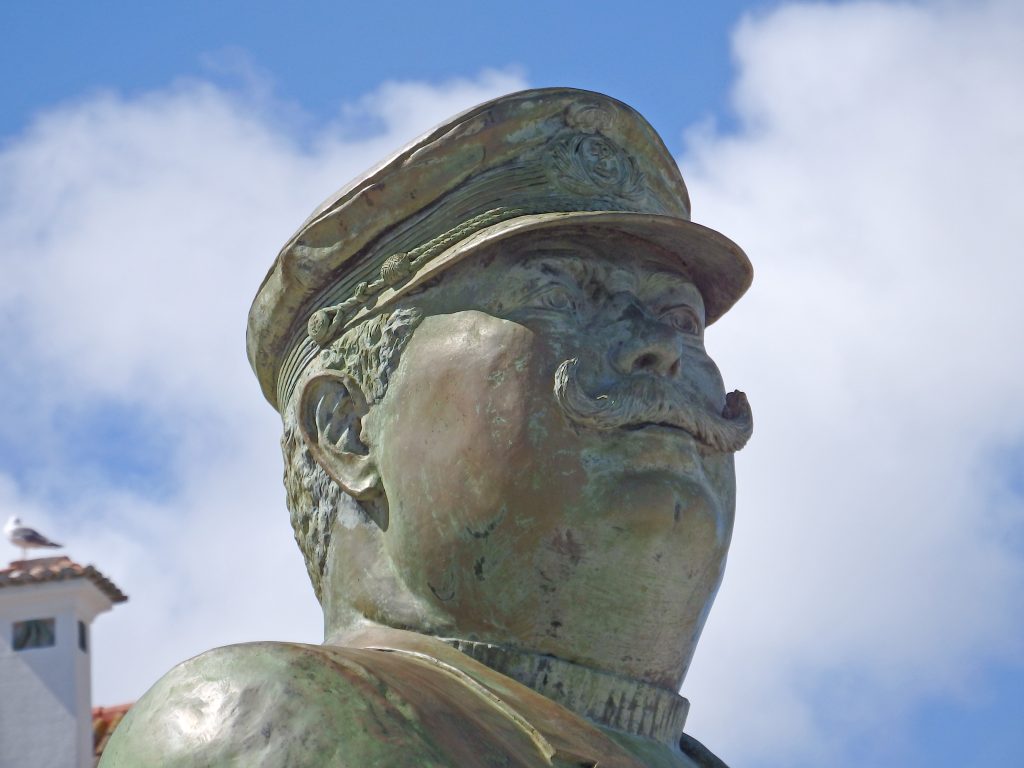
Cascais sits on the Atlantic at the western end of the Lisbon coast, roughly 30 km from the city centre, where the coastline turns north towards the Sintra hills. It is the last stop on the suburban railway, which is the single most useful fact about it: you cannot get lost getting there and you cannot miss your stop.
Is it worth visiting? Yes, with one qualification. If you want a big beach day, the beaches inside Cascais are small and get crowded, and you would do better at Carcavelos or Guincho. If you want a town that happens to have beaches, with a proper old centre, a fort, museums, a marina and somewhere decent to eat, Cascais is the best of them by a distance.
The reason it has more history than a town this size should is King Luís I, who moved the royal court here for the summer from 1870. The aristocracy followed and built the villas that still line the seafront, and the town got electricity before Lisbon did. That single decision is why Cascais has a citadel, palaces and museums rather than just a harbour.
Getting from Lisbon to Cascais
The train is the answer, and it is not close. The Cascais line leaves Cais do Sodré in central Lisbon and runs along the water for most of the journey.
| Method | Time | Frequency | Notes |
|---|---|---|---|
| Train from Cais do Sodré | ~40 min | Every ~20 min | Coastal views, sit on the left |
| Taxi or rideshare | ~35 min | On demand | Faster only outside rush hour |
| Car | ~35 to 60 min | — | Parking is difficult in summer |
| Bicycle, coastal path | 2 to 3 hrs | — | Flat, from Carcavelos or Estoril |
Buy a rechargeable Navegante card at the station and top it up rather than queueing for single tickets each time. If you are going to use the coast train more than twice, it pays for itself immediately and saves you the machine queue on a hot afternoon.
Going the other way, Cascais to Sintra is about 30 to 40 minutes by bus or car but is not a direct train, which surprises people. If you want both in one day, do Cascais in the morning and Sintra in the afternoon by car, or accept a change of transport.
Before You Go
- Go early. The town fills from late morning and empties again after six.
- Wednesday and Saturday are market days, which is when the town is at its best.
- Most museums close on Mondays, as they do across Portugal.
- The Atlantic here is cold year round. Bracing, not Mediterranean.
- Bring shoes for cobbles. The old centre is not kind to flimsy sandals.
Things to Do in Cascais: Six That Earn Their Place
Ordered roughly by how close they are to the station, so you can walk them in sequence rather than doubling back.
1. The old town and the Wednesday market
The historic centre is a small grid of cobbled pedestrian streets behind the seafront, with the pattern of black and white calçada paving that Portugal does better than anywhere. It takes twenty minutes to walk end to end and rather longer if you stop, which you will.
Time your visit for a Wednesday or Saturday if you can. The municipal market on those mornings is a working one rather than a tourist attraction, and it is the cheapest good lunch in town at the counters around the edge. The rest of the week the centre is pleasant but noticeably quieter.
2. Praia da Conceição and the town beaches
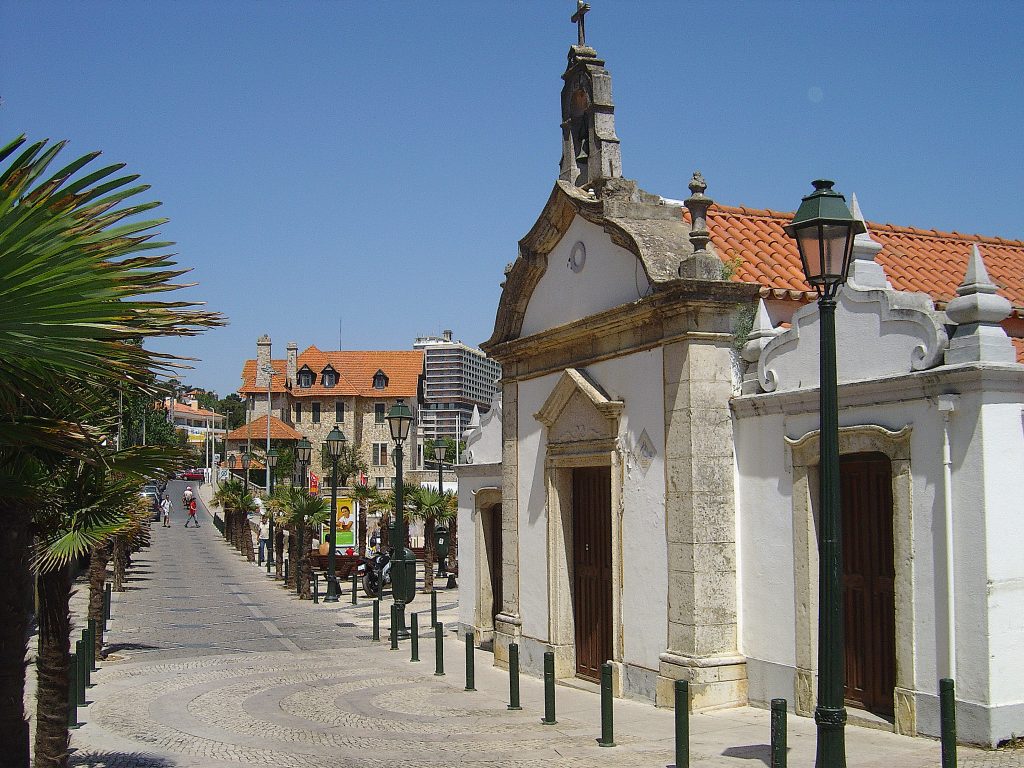
Cascais has three small beaches within the town: Conceição, Duquesa and Rainha. Conceição is the largest and the most usable, sheltered enough for children and directly connected to the promenade, which means you can walk to it from the station in about ten minutes.
Be realistic about size. These are town beaches, not the wide Atlantic stretches, and in August they are shoulder to shoulder by midday. Treat them as somewhere to swim between other things rather than as a full beach day, and go north to Guincho if sand is the point of the trip.
3. Boca do Inferno
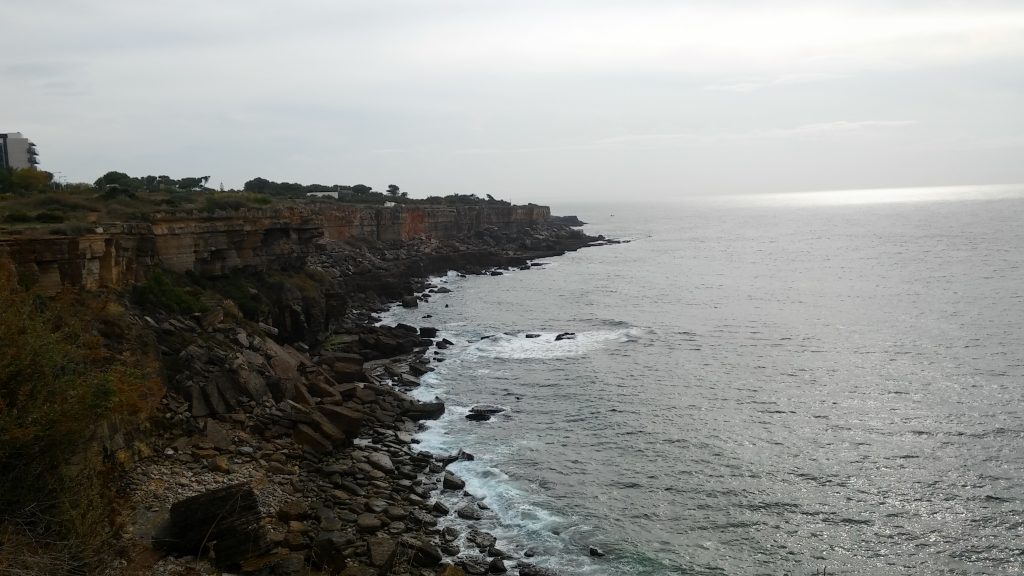
Hell’s Mouth is a collapsed sea cave twenty minutes’ walk west along the clifftop path, where the Atlantic has cut an arch and a chasm into the limestone. On a calm day it is a pleasant viewpoint. In winter, or on any day with a serious swell, the water comes through the arch hard enough to justify the name.
That is the honest guidance: go when the sea is rough. Visitors who arrive on a flat August afternoon often wonder what the fuss is about. The walk out along the cliff is worth doing regardless, and there are stalls and a café at the site itself.
4. Marina de Cascais and the citadel
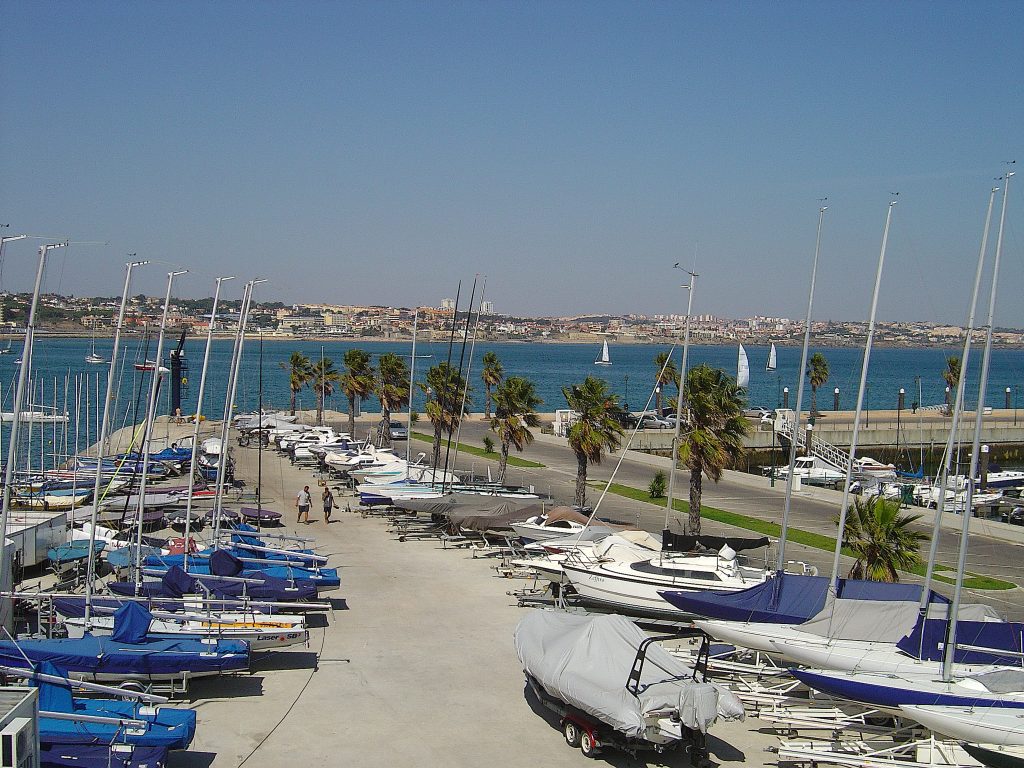
The marina sits just west of the centre below the Cidadela, the 16th-century fortress built to defend the mouth of the Tagus. Part of the citadel is now a hotel and an arts quarter with open studios, and you can walk through the courtyards without paying anything.
This is the best part of Cascais at the end of the day. The restaurants around the marina are more expensive than the ones two streets inland and you are paying for the water view, which on a warm evening is a reasonable trade. Walk back into the old town afterwards for a cheaper second drink.
5. The Estoril promenade walk
The paved seafront path from Cascais to Estoril runs about 3 km along the water and takes roughly forty minutes at a gentle pace. It is flat, it is pushchair-friendly, and it passes a series of small coves and swimming spots the whole way.
The efficient version of this walk is one way. Take the train to Estoril, walk back into Cascais, and you arrive in the town in time for lunch without having to retrace anything. It is the single most underplanned good thing on this coast.
6. Cabo da Roca
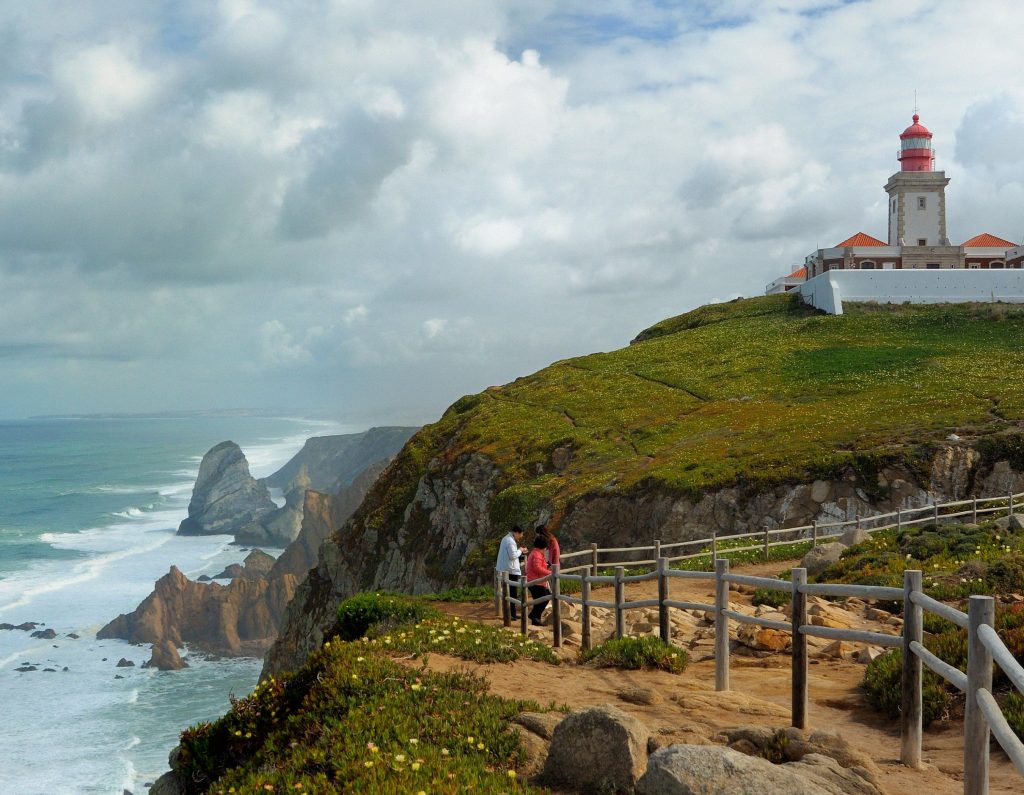
The westernmost point of mainland Europe, on cliffs about 140 metres above the Atlantic, roughly 30 minutes north of Cascais by car. There is a lighthouse, a stone marker with a line from the poet Camões, and a great deal of wind.
It is a viewpoint rather than a destination, so half an hour is enough. Combine it with Guincho beach or with Sintra, both of which are on the same side of the hills, rather than driving out for the marker alone. Bus 1624 runs there from Cascais if you have not hired a car.
A Lisbon Base for Cascais Days
Casa Almada is a central Lisbon apartment for families and friends, a short walk from the station where the Cascais train leaves.
Book NowWhere to Eat in Cascais
The rule here is the same as everywhere on this coast. The restaurants with the best view charge for it, and the better cooking is one or two streets back from the water.
Cascais still lands fish, so grilled sardines in summer and whatever came off the boat that morning are the things to order rather than anything elaborate. Portuguese kitchens fill late, around nine, and a restaurant that looks empty at seven is early rather than bad.
The market counters on Wednesday and Saturday mornings are the value option, and the marina is where to go if the evening matters more than the bill. If you want somebody else to do the navigating on the food side of a Portugal trip, our sister brand runs food tours in Porto through Canto de Luz, which has a cooking school on site.
When to Visit Cascais
| Season | What it is like | Worth knowing |
|---|---|---|
| Mar to May | Mild, bright, quiet streets | Best walking weather, sea still cold |
| Jun to Aug | Hot and busy | Town fills by 11am, go early |
| Sep | Warm, sea at its warmest | The best month overall |
| Oct to Feb | Mild, some rain, very quiet | Boca do Inferno at its most dramatic |
September is the pick, as it is for the whole coast. The sea has had all summer to warm up, the day-trip crowds have thinned and the restaurants are still on full summer service. Winter is genuinely worth considering too, because the swell that makes Boca do Inferno impressive arrives with it.
July also brings Ageas Cooljazz to the town, which is the one time of year a Cascais evening is a bigger draw than a Cascais afternoon.
Cascais in a Day, or in Two
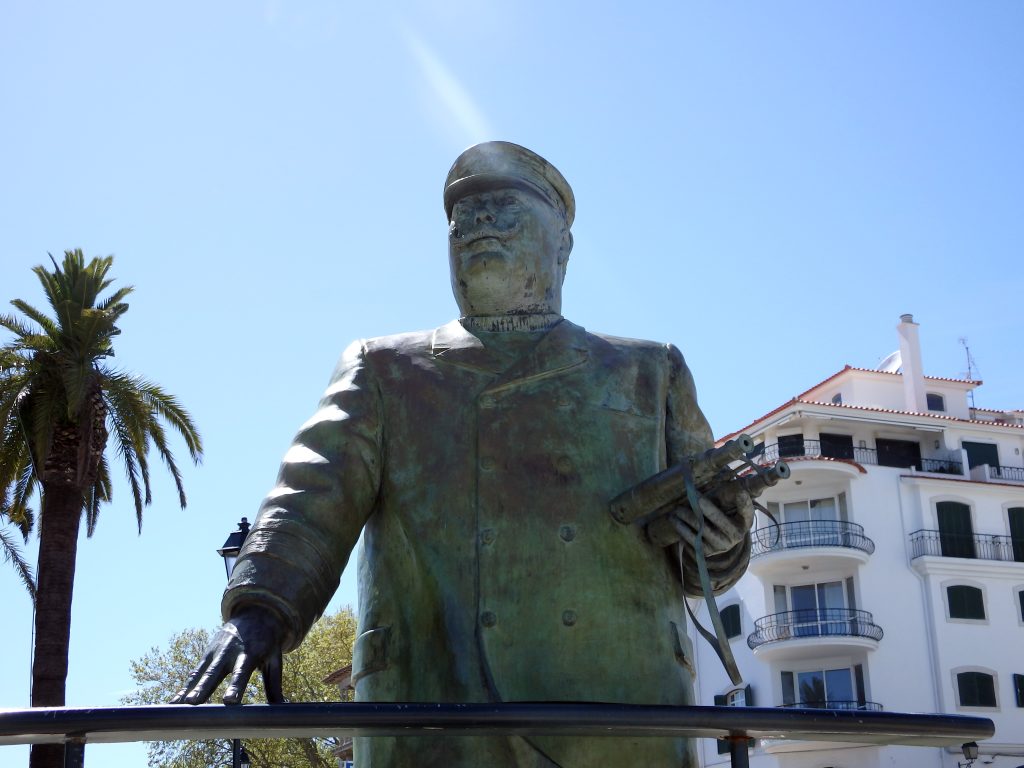
One day is enough for the town itself. Two lets you add either the coast north to Guincho and Cabo da Roca, or a half day in Sintra over the hills.
A Workable One-Day Plan
- 9:00 Train from Cais do Sodré, left-hand side for the sea.
- 9:45 Old town and the market, if it is a Wednesday or Saturday.
- 11:30 Walk the cliff path west to Boca do Inferno.
- 13:00 Lunch two streets back from the seafront.
- 14:30 Swim at Praia da Conceição.
- 17:00 Marina and citadel, then the train back.
That is about 3 km of walking spread across the day, all of it flat apart from the climb up to the citadel. With small children, cut Boca do Inferno and spend longer on the beach instead.
Where to Stay: Cascais or Lisbon?
Staying in Cascais makes sense if the beach and the town are the whole holiday. For most trips it is the wrong call, because it puts you forty minutes from Lisbon’s museums, restaurants and nightlife and you end up commuting into the city for the things you came to Portugal for.
Casa Almada is our apartment in central Lisbon, built for families and friends with flexible sleeping and a proper kitchen. It is a short walk from Cais do Sodré, which means Cascais is a forty minute journey whenever the weather suits, rather than a commitment made at booking.
For choosing a Lisbon neighbourhood, see our guide to where to stay in Lisbon. For larger parties, the group properties guide covers what works beyond eight people.
A Guest Review
“We stayed for a week at Canto de Luz and loved every minute of our stay. The staff gave advice on where to go, where to eat and how to get there. The breakfasts were culinary feasts. Our room was perfect: well-appointed, with all we needed to enjoy our stay. Location, location, location: not too far from anywhere, interesting local restaurants and boutique shops, walk everywhere.”
Charles — stayed at Canto de Luz, Porto

A Note From Susan
“Cascais is the trip I recommend most often and the one guests come back talking about, and it is almost always because they went early. The same town at half past nine and at half past twelve is two completely different places. Get the first train you can face, have the old streets to yourself for an hour, and let everybody else arrive.”
More to Explore
For the wider coastline, see Lisbon beaches and the Lisbon coast, and for the palaces over the hills, the Sintra guide. The full collection of properties covers Portugal, Spain, Malta and the UK.
Frequently Asked Questions
Where Is Cascais In Portugal?
Cascais is on the Atlantic coast about 30 km west of Lisbon, at the point where the coastline turns north towards the Sintra hills. It is the final stop on the suburban railway from Cais do Sodre in central Lisbon.
How Far Is Cascais From Lisbon?
About 30 km, which is roughly 40 minutes by train from Cais do Sodre or around 35 minutes by car outside rush hour. Trains run about every 20 minutes and the line follows the coast for most of the journey.
How Do You Get To Cascais From Lisbon?
Take the Cascais suburban line from Cais do Sodre station, which takes about 40 minutes and ends at Cascais. Buy a rechargeable Navegante card rather than single tickets if you plan to use the coast train more than twice.
Is Cascais Worth Visiting?
Yes, particularly if you want a town rather than just a beach. Cascais has a cobbled old centre, a 16th-century citadel, a marina, museums and three small beaches, all within walking distance of the station. For a big beach day, Carcavelos or Guincho are better choices.
What Are The Best Things To Do In Cascais?
Walk the old town and the Wednesday or Saturday market, swim at Praia da Conceicao, walk 20 minutes west to Boca do Inferno, and see the marina and citadel at the end of the day. Cabo da Roca and the Estoril promenade walk are the two best additions if you have longer.
How Long Do You Need In Cascais?
One day covers the town comfortably, at about 3 km of mostly flat walking. Two days lets you add either the coast north to Guincho and Cabo da Roca, or a half day in Sintra over the hills.
Can You Get From Cascais To Sintra?
Yes, in about 30 to 40 minutes by bus or car, but there is no direct train between the two, which catches people out. If you want both in one day, do Cascais in the morning and Sintra in the afternoon by car.
Should You Stay In Cascais Or Lisbon?
Lisbon for most trips. Staying in Cascais puts you 40 minutes from the city’s museums, restaurants and nightlife, so you end up commuting in. A central Lisbon base makes Cascais a 40 minute day trip whenever the weather suits.
When Is The Best Time To Visit Cascais?
September, when the sea is at its warmest and the day-trip crowds have thinned. March to May is the best walking weather but the water is still cold, and winter is worth considering because the swell makes Boca do Inferno far more dramatic.
Stay in Lisbon, Visit Cascais in Forty Minutes
Casa Almada is a luxury apartment in the heart of Lisbon for families and friends, with flexible sleeping, a full kitchen and the coast train a short walk from the door.
Book NowImage credits: Cascais coastal town and town view, Photo: Mike Steele, CC BY 2.0. Boca do Inferno, Photo: Yuri Granata Delalibera, CC BY-SA 4.0. Cabo da Roca, Photo: Ввласенко, CC BY-SA 3.0. Praia da Conceição and Marina de Cascais, Photo: Vitor Oliveira, CC BY 2.0. All via Wikimedia Commons.