In a world where travellers increasingly seek meaningful, eco-conscious experiences, EspaisRoca stands at the forefront of sustainable luxury design, transforming holiday homes into living showcases of renewable energy, modern tech, and mindful living. These elegant properties, available across Europe, combine ultra-low carbon impact with upscale comfort, making sustainable tourism not a compromise, but a privilege.
At 98% carbon neutrality, EspaisRoca demonstrates that environmental responsibility and luxury can go hand‑in‑hand. But what exactly powers this transformation? Through rooftop solar systems, biomass heating, smart home tech, and eco‑sourced materials, EspaisRoca offers not just a stay, but a blueprint for the future of travel.
1. Truly Carbon-Conscious: Where Sustainability Is Built In
At EspaisRoca, sustainability is not an afterthought—it’s the foundation. Every villa is designed from the ground up to operate with minimal environmental impact, using a blend of smart design principles, energy-efficient systems, and clean technologies. The result is a new model of luxury travel—where environmental responsibility enhances, rather than limits, your comfort and experience.
These homes don’t just reduce emissions—they rethink how a home should function in harmony with its surroundings. With features like solar power, biomass heating, mechanical ventilation, and passive architectural design, each property significantly cuts down on carbon emissions compared to traditional homes. Any remaining footprint is addressed through responsible carbon offsetting.
Rather than claiming eco-friendliness as a marketing tool, EspaisRoca integrates it into every beam, tile, and switch. From your morning coffee brewed with solar energy to evenings warmed by renewable biomass heating, your stay becomes a part of a much larger climate solution—quietly but powerfully.
How It Works: The Core Sustainability Stack
Solar Power as the First Line of Defense
Every EspaisRoca home features a high-efficiency rooftop photovoltaic (PV) system, often backed by battery storage. These solar panels produce most of the electricity the home consumes, including powering appliances, lighting, entertainment systems, and even vehicle chargers.
- Daily power usage is balanced by real-time solar generation.
- Surplus energy is stored or redirected, ensuring minimal to zero reliance on carbon-intensive grids.
- Guests can even track live consumption through user-friendly dashboards, bringing transparency and awareness to their daily footprint.
Biomass Heating: Warmth Without Carbon
Instead of relying on gas or electric heating, EspaisRoca utilizes biomass boilers—a solution that uses wood pellets or agricultural residue as fuel. These sources are not only renewable but also considered carbon-neutral, since the CO₂ released during burning is offset by the carbon absorbed during the plant’s life cycle.
- Boilers are optimized for low-emission combustion.
- Heating is evenly distributed via underfloor systems or radiators.
- All biomass fuel is sourced sustainably, avoiding deforestation or habitat degradation.
This makes even winter stays feel indulgent, while staying true to green values.
Smart Home Optimization
From motion-detecting lights to climate control that adapts to guest presence, EspaisRoca’s smart home infrastructure plays a vital role in reducing unnecessary energy use.
- Thermostats auto-adjust based on weather and time of day.
- Blinds open or close based on solar orientation.
- Systems enter eco-mode when no guests are detected.
This balance of automation and guest control leads to significant energy savings, while preserving all the ease and comfort of high-end living.
Passive Design & Mechanical Ventilation
Architectural design is another silent but powerful contributor. Each villa is oriented and built to maximize passive solar gain in winter, while using cross-ventilation, thick insulation, and shading devices to keep interiors cool in summer—reducing heating and cooling loads naturally.
- Mechanical ventilation with heat recovery systems keeps air fresh without opening windows.
- Walls and roofs are thermally insulated to exceed EU standards, maintaining comfort year-round.
These techniques make homes inherently efficient, before even flipping a switch.
Offsetting the Final 2%
For the small portion of emissions that remain—perhaps from construction materials, cleaning logistics, or rare utility backups—EspaisRoca invests in certified carbon offsets, such as tree planting and renewable energy projects. This ensures that every stay results in a net-zero carbon footprint.
Redefining Conscious Comfort
What truly sets EspaisRoca apart is how seamlessly these systems integrate into the guest experience. The villas don’t feel clinical or “eco-experimental.” Instead, they offer soothing spaces, clean aesthetics, and intuitive tech that enhance your stay, while letting you know you’re doing good for the planet.
For travelers interested in making sustainability a part of every journey, EspaisRoca complements the kind of mindful lifestyle promoted by other forward-thinking brands, like Canto Cooking’s guide to free and eco-conscious travel experiences in Porto. Both offerings show that budget, sustainability, and comfort can coexist—and even elevate one another.
2. Powered by Sunlight: Solar Energy at the Heart of Every Stay
When we talk about renewable energy at EspaisRoca, it’s not a vague commitment—it’s a fully operational and visible reality. At the heart of each home’s sustainability blueprint is a high-output photovoltaic solar system that transforms ordinary sunlight into the energy that powers your stay. From your morning coffee to evening lighting, solar energy flows through every moment—quietly, cleanly, and without compromise.
Why Solar?
Solar power isn’t just the most obvious renewable—it’s also one of the most versatile and scalable. Spain’s abundant sun makes it a natural fit, especially in rural or off-grid areas. But unlike the average solar installation, EspaisRoca takes things further by:
- Designing homes around solar efficiency, not just adding panels as an afterthought
- Maximizing south-facing exposure to optimize sun absorption year-round
- Installing energy storage batteries, so the system can store excess energy for use at night or during overcast weather
- Integrating live monitoring tools, letting guests track their energy generation and usage in real-time
This isn’t just sustainability—it’s energy independence, crafted into a luxury travel experience.
How It Works: Sunlight to Socket
Each villa is equipped with a carefully engineered solar panel array mounted on its roof or adjoining structure. These panels collect sunlight during the day and convert it into direct current (DC) electricity. A central inverter then transforms this into alternating current (AC) power, what is used by household appliances.
Key tech features include:
- Solar arrays sized to match daily energy demands, with margin for surges
- Intelligent battery storage (often lithium-ion), enabling power at night without grid reliance
- Grid-tied inverters that sell surplus power back to the local utility, where permitted
- Mobile-access dashboards to visualize real-time consumption and generation
With this system in place, your stay is effectively powered by the sun, whether you’re boiling water for tea or watching a film in the evening.
The Guest Benefit: Sustainable, Silent Power
Unlike noisy generators or intermittent off-grid setups, solar-powered systems at EspaisRoca are silent, automatic, and invisible to the user. What guests experience is:
- Seamless, uninterrupted electricity, even during peak usage
- No emissions, no noise, no maintenance stress
- Ambient comfort, made more meaningful through responsible energy use
You’ll sleep well not just because of the luxurious beds, but because your home is sleeping well too, in sync with the natural rhythms of the environment.
Sustainability That Travels with You
EspaisRoca believes that every leg of your journey should reflect your values. That’s why they also provide guidance on train travel and low-impact transport options, aligning your transit with your eco-minded destination. If you’re looking to extend your sustainability ethos beyond the villa and into your travel itinerary, this guide to Porto’s best train stations and routes offers excellent tips for getting around consciously.
Whether arriving by regional rail or catching a scenic train across the Douro Valley, EspaisRoca encourages thoughtful movement just as much as mindful rest.
3. Smart Design, Smart Living: How EspaisRoca Uses Architecture to Save Energy
Sustainability at EspaisRoca doesn’t begin with solar panels or end with biomass heating—it’s embedded into the architecture itself. From the way the villas are oriented to how the interiors breathe, every inch of these homes is designed to reduce energy consumption naturally, using smart design and advanced technologies in perfect harmony.
Passive Design: The Foundation of Energy Efficiency
The first pillar of this system is passive design—a method of building that minimizes the need for artificial heating or cooling. EspaisRoca uses passive techniques to maintain thermal comfort while using less energy, and often none at all.
Key features include:
- Strategic Orientation – Homes are positioned to maximize natural light in winter and reduce solar gain in summer, thanks to careful window placement and shading structures.
- Thermal Mass Materials – Floors and walls made from materials that absorb heat during the day and release it at night, reducing reliance on HVAC systems.
- Natural Cross Ventilation – Carefully positioned windows and vents allow air to flow freely throughout the home, maintaining freshness and temperature balance without mechanical intervention.
These choices aren’t just technical—they create a sensory experience of living in sync with nature. Guests often describe how the homes feel “alive,” responding gently to daily and seasonal changes.
Mechanical Ventilation: Clean Air, Minimal Waste
Passive airflow is just one part of the equation. For year-round air quality and comfort, EspaisRoca integrates Mechanical Ventilation with Heat Recovery (MVHR) systems. These smart devices:
- Extract stale air from kitchens, bathrooms, and living spaces
- Recover heat from outgoing air and transfer it to fresh incoming air
- Ensure balanced humidity levels without needing dehumidifiers or air conditioning
The result is a healthier indoor climate that supports both human wellness and building longevity, all while saving up to 90% of the energy used in conventional heating and cooling.
Home Automation: Energy Efficiency at Your Fingertips
Another way EspaisRoca reduces waste is through smart home automation systems. These intuitive technologies put control in the guest’s hands while optimizing consumption behind the scenes.
You’ll find:
- Smart thermostats that adjust temperature based on real-time use and occupancy
- Motion-sensor lighting that only turns on when needed, and shuts off automatically
- Energy usage dashboards, so guests can monitor their footprint in real time
- Remote access, enabling EspaisRoca staff to manage systems between stays for peak efficiency
Guests have the freedom to personalize their environment without ever worrying about overuse. Even when you’re relaxing, your home is working quietly to protect the planet.
4. Water Conservation & Wastewater Management – Every Drop Counts

When it comes to sustainability, energy use often dominates the conversation. Yet water—arguably our most precious natural resource—is just as critical. In sustainable architecture and eco-conscious hospitality, responsible water management has become a defining feature of truly green homes.
The Problem with Traditional Water Use
Conventional holiday homes often have large bathrooms, sprawling gardens, and open kitchens—all of which consume high volumes of water. Add in seasonal demand and irrigation, and it’s easy to see how even a short stay can place a significant strain on local water supplies.
This overuse not only depletes regional water reserves but also contributes to higher energy consumption, particularly when water is heated inefficiently or when wastewater must be extensively treated before release.
Sustainable Solutions: From Rain to Greywater
Modern sustainable homes now incorporate a combination of innovative technologies and thoughtful design choices to minimize water waste at every stage:
1. Low-Flow Fixtures
Installing low-flow taps, showerheads, and dual-flush toilets dramatically reduces daily consumption without affecting comfort. Many high-end fixtures now blend water conservation with elegant design, ensuring the guest experience remains luxurious.
2. Greywater Recycling
One of the most impactful practices is greywater recycling—reusing water from showers, sinks, and washing machines to flush toilets or irrigate gardens. This process reduces overall freshwater demand and maximizes the usefulness of every drop.
3. Rainwater Harvesting
Sustainable homes frequently include rainwater collection systems, which capture and store rainfall for non-potable uses like garden irrigation and exterior cleaning. This method is both environmentally sound and practical, especially in regions with seasonal rainfall.
4. Native Landscaping
Rather than planting water-intensive lawns or exotic species, many eco-homes embrace native plants and xeriscaping. These plants are naturally adapted to local climates and require far less water, while also supporting biodiversity.
5. Efficient Irrigation
Drip irrigation systems and soil moisture sensors ensure gardens receive just the right amount of water—no more, no less. These systems avoid evaporation and runoff common in traditional sprinklers.
The Long-Term Impact
Sustainable water systems not only reduce utility bills and environmental impact, but also set a new standard for what guests expect from luxury accommodation. Conscious travelers increasingly seek out places where resource conservation isn’t a gimmick—it’s a fundamental part of the experience.
Moreover, these practices help protect fragile ecosystems and aquifers, especially in regions where tourism can heavily burden water infrastructure.
Water conservation, like clean energy, is a cornerstone of sustainable living. And while the systems involved may be hidden behind walls or underground, their effects are tangible—from the comfort of a morning shower to the vibrant life of a well-irrigated garden.
5. Building Materials & Eco-Friendly Design Choices – Sustainability Starts with the Structure
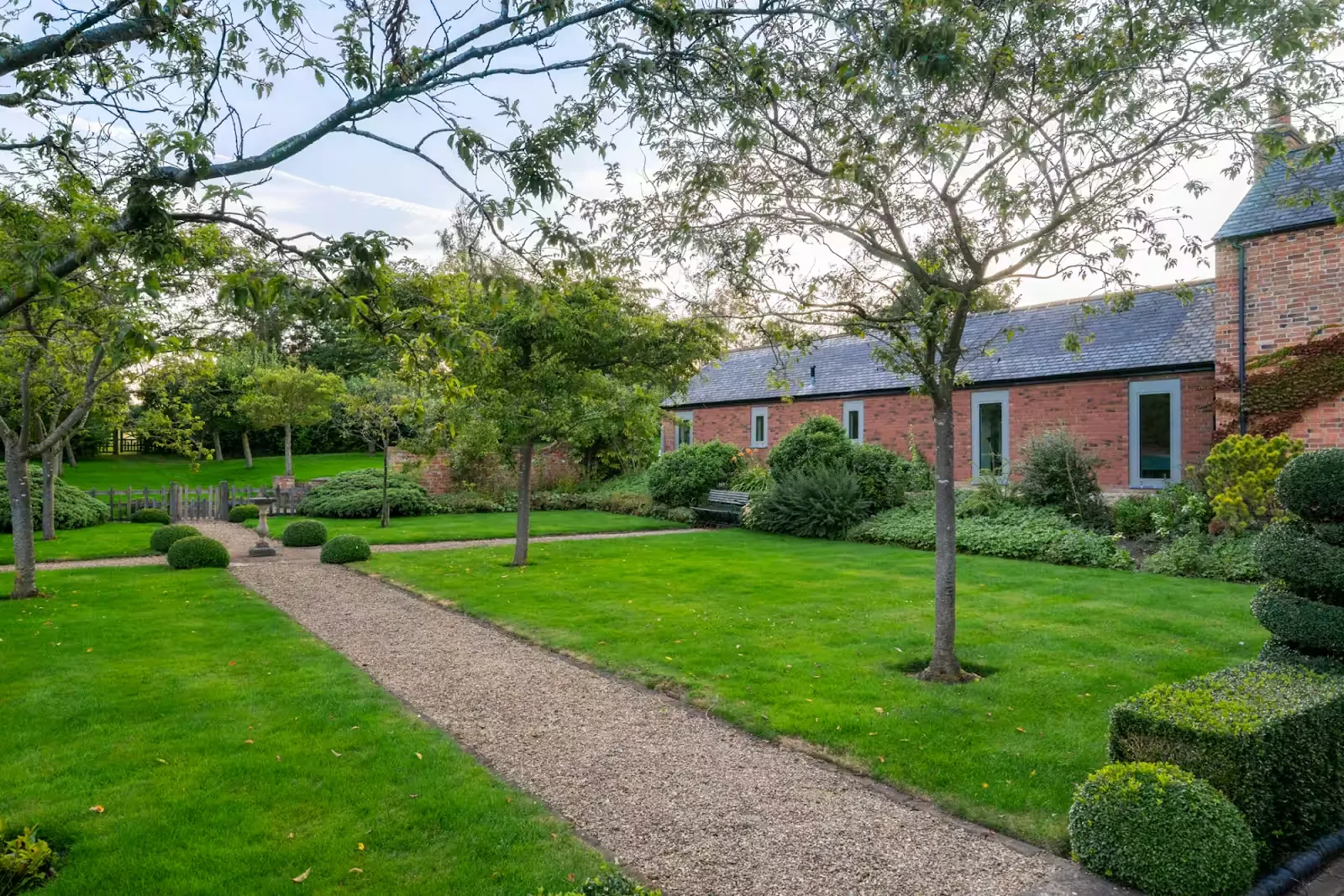
While energy systems and water conservation are critical to eco-living, the foundation of sustainability is built into the walls, through the materials used and the architectural choices made. From construction to interior design, every element plays a role in reducing environmental impact and enhancing long-term durability.
At EspaisRoca, this philosophy is evident in the way each villa is constructed using natural, low-impact, and locally sourced materials. Timber, stone, and lime-based finishes are favoured over synthetic alternatives, offering breathability, recyclability, and superior thermal performance. These choices not only lower the carbon footprint of the build but also create healthier indoor environments for guests—free from toxic finishes and excessive VOCs.
The design approach also focuses on passive architecture—orienting buildings for natural sunlight, shade, and airflow, reducing the need for artificial lighting or cooling. Green roofs, triple-glazed windows, and deep overhangs are more than aesthetic touches; they’re functional elements that make homes energy-efficient year-round.
Highlights: Sustainable Building Practices at a Glance
- Natural Materials: EspaisRoca uses timber, local stone, and lime render to reduce embedded carbon and support local suppliers.
- Breathable Walls: Avoiding plastics and synthetic coatings allows buildings to regulate humidity naturally—creating a healthier living space.
- Passive Design: Homes are oriented for optimal sun exposure, natural cooling, and ventilation—cutting down on energy use dramatically.
- Insulation Excellence: Thick stone walls and triple-glazed windows help maintain stable temperatures without reliance on HVAC systems.
- Reclaimed Resources: Doors, beams, and tiles from older buildings are salvaged, restored, and reused, giving charm and reducing waste.
- Low-Toxicity Interiors: Paints, sealants, and finishes are chosen for low or zero VOC emissions, ensuring better indoor air quality.
- Green Roofs & Shading: EspaisRoca incorporates natural roof coverings and extended eaves that cool interiors and support biodiversity.
6. Eco-Friendly Interiors & Furnishings – A Home Where Style Meets Sustainability
Sustainable homes don’t stop being green at the door. What lies within—the furniture, fabrics, lighting, and even the artwork—contributes significantly to a building’s overall environmental impact and the well-being of those who inhabit it. Creating a beautiful interior while staying true to eco-conscious principles requires thoughtful sourcing, design restraint, and a preference for quality over quantity.
This balance of aesthetics and ethics is clearly reflected in the design philosophy of places like EspaisRoca, where interiors are curated not just for visual harmony but also for ecological mindfulness. Here, luxury means craftsmanship, and sustainability is woven into the fabric of everyday living.
Natural fibers, organic textures, and locally handmade pieces replace mass-produced goods. Rather than importing global trends, the interiors reflect a strong sense of place, rooted in regional culture and environmental awareness.
For example, sofas and chairs are often upholstered in organic cotton or linen, dyed with non-toxic pigments. Dining tables might be crafted from salvaged wood, treated without harsh chemicals. Lighting fixtures often use LED systems and are made from recycled metals or blown glass by local artisans. Even mattresses are often made of natural latex, wool, or coconut fiber, reducing synthetic off-gassing and increasing longevity.
By rejecting fast furniture and synthetic styling, these homes embrace a longer design lifecycle—meaning fewer replacements, less waste, and a deeper emotional connection with the space. In essence, eco-luxury interiors aren’t just designed to impress—they’re designed to endure.
Eco-Luxury Interior Principles at a Glance
- Sustainable Materials: Use of reclaimed wood, bamboo, cork, and natural stone for furniture and flooring.
- Low-Toxic Furnishings: Upholstery and paints are chosen for their low or zero-VOC content to support indoor air quality.
- Handcrafted Pieces: Local craftspeople are commissioned to create bespoke furnishings—supporting community while reducing transport emissions.
- Organic Textiles: Curtains, bedding, and rugs are made from organic cotton, linen, hemp, or wool, free of synthetic dyes.
- LED Lighting Systems: Energy-efficient lighting paired with motion sensors and dimmers to reduce energy usage.
- Timeless Design Over Trends: Rather than following fast-changing fashions, interior design favors long-lasting appeal and neutral, earthy palettes.
- Upcycled & Vintage Decor: Repurposed antiques and vintage pieces add personality and character while preventing waste.
In homes like those at EspaisRoca, interiors become more than just a backdrop to the landscape—they become part of a larger story of harmony with the planet. Guests enjoy refined comfort knowing that each detail, from the linen throw to the ceramic lamp, was chosen with the Earth in mind.
Book Your Stay at EspaisRoca: Where Sustainable Luxury Meets Timeless Comfort
In a world where conscious travel is becoming essential, EspaisRoca is setting a bold new standard. These eco-forward holiday homes are more than beautiful getaways—they are a model for how sustainable living can feel indulgent, peaceful, and enriching.
By blending carbon-neutral technology, natural materials, and thoughtful design, EspaisRoca offers a truly transformative escape. Here, every moment is designed to leave a lighter footprint while creating lasting memories.
Whether you’re planning a romantic retreat, a family holiday, or a solo recharge, this is your chance to support a future-forward approach to travel, without sacrificing comfort or style.