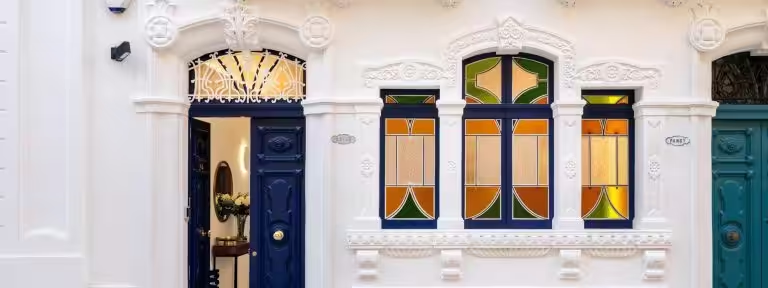
In recent years, it has also become a rising star in the world of global cinema — and the Lisbon International Film Festival (LIFF) is a big reason why. This annual event brings together filmmakers, critics, students, and movie lovers from all over the world, celebrating independent cinema in one of Europe’s most inspiring cities. Set against the backdrop of Lisbon’s colorful streets and rich artistic heritage, the festival offers a unique opportunity to experience global stories through the lens of talented filmmakers.
Film festivals like LIFF play an essential role in amplifying diverse voices and promoting cross-cultural understanding. They’re not just about screenings — they’re about dialogue, discovery, and creativity. The Lisbon International Film Festival stands out for its inclusive, international approach and its support for both emerging and established filmmakers. In this guide, we’ll cover everything you need to know to fully experience the festival, including:
- History and evolution of LIFF over the years
- Categories and genres featured in the festival
- International highlights and guest filmmakers
- How to attend, from ticketing to schedules
- Submission process for aspiring filmmakers
- Best places to stay during the festival, including local gems like Casa Almada
Whether you’re planning your first visit or you’re a returning cinephile, this guide will help you get the most out of the Lisbon International Film Festival — a true celebration of global cinema in the heart of Portugal. If you’re attending the festival from out of town, choosing the right neighbourhood can greatly enhance your overall experience. For a detailed breakdown of the best locations to stay—based on proximity to venues, transport links, and atmosphere—refer to this guide to the best areas and neighbourhoods in Lisbon..
History & Origins of the Lisbon International Film Festival
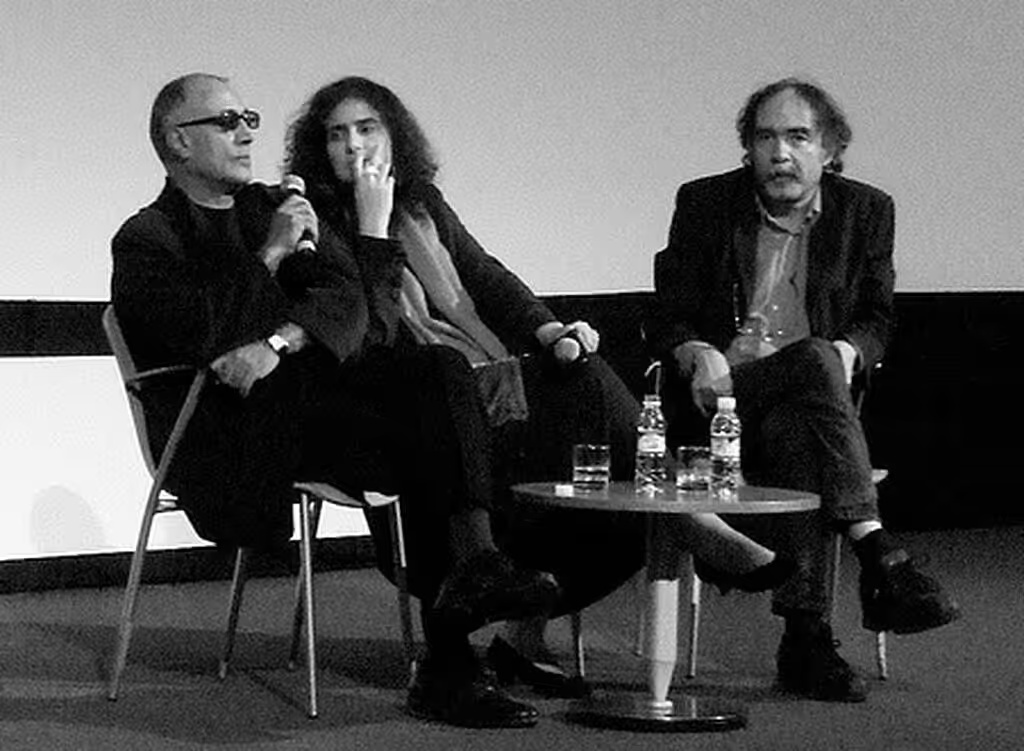
The Lisbon International Film Festival (LIFF) was born from a simple yet powerful idea: to give a voice to independent filmmakers and bring international stories to Portuguese audiences. Launched in the early 2000s, the festival started as a modest local initiative by a small group of Lisbon-based creatives who wanted to spotlight alternative cinema beyond the Hollywood mainstream. What began as a grassroots event in art-house venues has since grown into one of Portugal’s most anticipated cultural festivals.
As the city of Lisbon gained popularity as a creative and digital hub in Europe, LIFF evolved right alongside it. Over the years, the festival expanded in size, scope, and recognition — attracting filmmakers, producers, and cinephiles from across the globe. Today, it features dozens of screenings, masterclasses, Q&A sessions, and networking opportunities across some of the city’s most iconic cultural venues.
Key Milestones in the Festival’s Growth:
- 2003 – LIFF’s first edition takes place in small independent cinemas in Lisbon, screening just a handful of local and international indie films.
- The 2010s – The festival begins receiving submissions from over 50 countries, signaling its growing global reach.
- 2020 onwards – The festival introduces hybrid formats (physical + online screenings), making it more accessible to a worldwide audience.
- Now – Recognized as one of Southern Europe’s top indie film festivals, LIFF draws comparisons to other major European festivals for its artistic credibility.
At the heart of the festival lies a strong mission: to support independent cinema, foster cultural dialogue, and encourage innovation in film. The programming is bold and inclusive, featuring everything from raw documentaries and experimental shorts to under-the-radar feature films that challenge mainstream narratives.
What Makes LIFF Unique?
- It champions undiscovered talent and gives visibility to first-time directors.
- LIFF actively promotes international collaboration through panels, co-production markets, and meet-ups.
- The festival curates films that tackle social, political, and environmental themes, sparking important conversations.
- Unlike the celebrity-driven nature of Cannes or the glitz of Venice, LIFF keeps its focus on artistic substance and accessibility.
Changing Audiences & Global Appeal
Over the years, the festival’s audience has grown from a tight-knit local crowd to a diverse international community.
- Film submissions now come from over 80 countries, across every continent.
- Viewership includes Lisbon locals, international visitors, film students, critics, and professionals alike.
- Streaming access and digital platforms introduced post-2020 have widened LIFF’s audience beyond the city, making it a truly global event.
From humble beginnings to a cultural mainstay, the Lisbon International Film Festival continues to evolve while staying true to its roots: elevating bold voices, bridging cultures, and celebrating cinema in its most authentic form.
Festival Structure & Program
The Lisbon International Film Festival (LIFF) is anything but conventional. Designed as a celebration of independent cinema and emerging voices, the festival distinguishes itself through a structure that prioritizes creativity, inclusivity, and accessibility over celebrity status or commercial spectacle. There are no red carpets or gala premieres here — just bold films, passionate audiences, and meaningful conversations.
At its core, the festival is built around a carefully curated program that showcases a wide spectrum of genres and cinematic styles. Each year, the program is divided into several sections that reflect the festival’s mission of spotlighting raw, daring, and diverse voices in global cinema.
Competition Categories & Program Sections
The Lisbon International Film Festival hosts an official competition featuring films from around the world, evaluated by a panel of independent film professionals. The categories are designed to be inclusive of various formats and artistic visions:
- Best Narrative Feature Film
- Best Narrative Short Film
- Best Documentary Feature Film
- Best Documentary Short Film
- Best Animated Film
- Best Experimental Film
- Best Music Video
- Best Portuguese Film
These awards are not just symbolic — they often open doors to further festival invitations, press coverage, and even mainstream recognition. All selected filmmakers are also eligible for The Tarkovski Grant, a festival submission fee waiver valued at approximately $500, which supports filmmakers in gaining wider exposure through partner festivals.
A Festival Without Borders: The OFF ON Selection
One of the standout features of LIFF’s structure is its hybrid approach. In addition to physical screenings in Lisbon’s independent cinemas and cultural venues, the OFF ON Selection offers an extended online program. This digital section:
- Launches one week before the in-person festival begins
- Remains live until one week after the physical festival ends
- Offers global access to selected films (with optional geo-blocking)
- Includes any genre and format, including web series and television content
Films in the OFF ON Selection receive full benefits of an official selection, including awards consideration and inclusion in all promotional efforts.
A Typical Festival Schedule
Held annually in May, the Lisbon International Film Festival spans multiple days, typically between 5 to 7 days, depending on the volume of entries and programming scope.
During the event, the city becomes a cinematic playground, with screenings, workshops, and networking events spread across several venues — from cozy art-house cinemas and cultural centers to open-air spaces and pop-up theaters. The schedule is usually organized as follows:
- Opening Night – A high-impact feature or international premiere
- Daily Screenings – A mix of shorts, features, and documentaries across multiple venues
- Q&As and Discussions – Scheduled after key screenings to encourage audience-filmmaker interaction
- Panels & Masterclasses – Covering topics like experimental storytelling, international distribution, or funding for indie projects
- Closing Awards Ceremony – Honoring the best films in each category
2026 Edition Preview: What to Expect at the Lisbon International Film Festival

As Lisbon continues to solidify its place as a vibrant cultural hub in Europe, the Lisbon International Film Festival (LIFF) is set to return in May 2026 with another bold and deeply engaging edition. Grounded in its commitment to independent voices, unapologetic storytelling, and creative risk-taking, the festival promises to offer a program that mirrors both global social concerns and boundary-pushing artistry.
While the full lineup is yet to be announced, anticipation is building around this edition, which is expected to expand upon LIFF’s established strengths while incorporating fresh elements and new collaborations.
Official Dates & Thematic Focus
The 2026 edition will take place throughout May, with exact dates to be confirmed early in 2026. Although each year’s programming tends to center on emergent themes drawn from submissions and world events, early curatorial discussions suggest the following focus areas:
- Environmental storytelling and sustainable futures
- Narratives of resilience and healing from post-conflict societies
- Authentic representation and gender-driven perspectives
- Reflections on digital identity and human connection in a post-pandemic world
These themes are likely to shape not just competition entries but also workshops, panels, and associated events — ensuring that LIFF remains responsive to pressing global conversations.
Returning Film Categories & the OFF ON Selection
In its inclusive and boundary-defying spirit, LIFF will showcase the following categories once again:
- Narrative Feature and Short Films
- Documentary Features and Shorts
- Experimental Films
- Animated Shorts and Features
- Music Videos
- Portuguese Cinema Highlight
Building on the success of previous editions, the OFF ON Selection — the festival’s online counterpart — will once again provide an extended viewing experience, allowing audiences worldwide to access films that may not fit into the physical schedule. This digital platform enables the inclusion of varied formats and lengths, offering flexibility for filmmakers whose work needs more exposure.
Spotlight on Regions & Strategic Partnerships
Though not driven by celebrity appearances, LIFF’s strength has always been rooted in the quality of its curation and the richness of its global network. For 2026, early indicators point to:
- A Latin American focus, with themes exploring indigenous narratives, diaspora voices, and political expression
- Continued support from The Bigger Screen and the Connecting Cultures Program, opening doors to filmmakers from underrepresented regions
- Potential collaboration with European film schools and academic institutions, offering student-centered showcases and research-based media events
While official guest announcements remain pending, past editions have welcomed exciting talent — including breakout directors, rising critics, and festival programmers — whose insights consistently enrich the festival atmosphere.
Programming Highlights & Engagement Opportunities
True to its mission of creative exchange, LIFF 2026 is expected to host a dynamic blend of events, including:
- Practical filmmaking workshops focused on screenwriting, lo-fi production, and editing in tight budgets
- Insightful masterclasses led by esteemed indie directors and producers, covering topics such as distribution strategies and risk-taking in art
- Forward-looking panel discussions addressing global cinema trends, ethical storytelling, and new media formats
- The Producer’s Night Nomination, offering selected filmmakers the exclusive opportunity to screen their work for Hollywood producers at the Lee Strasberg Theatre & Film Institute
- Engaging networking sessions designed to level the playing field for emerging talent and create meaningful connections across the industry
All selected filmmakers will continue to benefit from the Tarkovski Grant, a valuable submission fee waiver for partner festivals — amplifying their ability to reach international audiences.
Connecting Film Travel & Festival Access
Planning to extend your cinematic journey beyond Lisbon? If you’re considering exploring Porto or other parts of Portugal as part of your festival adventure, a detailed guide to traveling between Lisbon and Porto by train can help you navigate your trip efficiently and comfortably — a great resource whether you’re continuing your film exploration or discovering more of Portugal’s cultural landscape.
Venues & Screening Locations For Lisbon Film Festival

The Lisbon International Film Festival takes place across a selection of iconic and vibrant venues throughout the city, each adding its own unique atmosphere to the festival experience. From historic cinemas to cultural centers and intimate independent spaces, these locations reflect Lisbon’s rich cinematic culture and creative spirit.
- Cinema São Jorge
The festival’s main venue, Cinema São Jorge is a historic theater located on Avenida da Liberdade. Known for its classic architecture and comfortable screening rooms, it hosts the majority of the festival’s screenings, including the prestigious opening and closing ceremonies. This venue combines grandeur with an intimate feel, making it a favorite among filmmakers and audiences alike. - Cinemateca Portuguesa
Serving as Portugal’s national film archive, Cinemateca Portuguesa offers a more focused, scholarly environment. Its smaller screening rooms are perfect for retrospectives, experimental films, and tributes, providing a deep dive into cinema history and innovation. It’s also a hub for masterclasses and panel discussions during the festival. - Culturgest
Culturgest is a modern cultural center with flexible event spaces that host a variety of screenings, workshops, and networking sessions. Its contemporary design and artistic programming align well with LIFF’s focus on innovation and independent cinema. - Museu do Oriente
This venue adds a cultural and historical dimension to the festival with its beautiful riverside location and modern facilities. Museu do Oriente is often used for special screenings and community events, connecting Lisbon’s international heritage with the festival’s global outlook. - Independent Theatres & Pop-Up Locations
To celebrate Lisbon’s underground arts scene, LIFF also utilizes a range of smaller independent theaters and pop-up venues. These spaces, often converted warehouses or galleries, offer an eclectic and intimate atmosphere perfect for shorts, experimental works, and student films.
How to Attend: Tickets, Passes & Travel Tips
Attending the Lisbon International Film Festival is an exciting experience that blends world-class cinema with the charm of one of Europe’s most vibrant cities. To make the most of your visit, here’s a practical guide on purchasing tickets, choosing the right passes, navigating Lisbon, and enjoying local flavors near the festival venues.
Buying Tickets
Tickets for the Lisbon International Film Festival can be purchased in several convenient ways:
- Online: The official LIFF website offers a user-friendly ticketing portal where you can buy individual screening tickets and passes in advance. Booking online is recommended, especially for popular screenings and events that tend to sell out quickly.
- Box Offices: Physical box offices are usually open at major venues like Cinema São Jorge and Cinemateca Portuguesa during the festival. These allow last-minute purchases but come with the risk of limited availability.
- Third-Party Vendors: Authorized ticketing platforms partnered with LIFF may also sell tickets, though prices and availability should be compared with official sources.
Types of Passes
The festival offers various ticket options to suit different needs and budgets:
- Daily Pass: Ideal for visitors who want to attend a selection of screenings and events on a specific day.
- Full Festival Pass: Perfect for cinephiles planning to attend multiple days and gain access to the complete program, including workshops and special screenings.
- Student Pass: Offered at a discounted rate, requiring valid student ID at purchase or entry. This pass encourages younger audiences and film students to participate fully.
- Industry Pass: Designed for filmmakers, producers, and industry professionals, this pass grants access to networking events, panels, and exclusive sessions.
Discounts are often available for locals, seniors, and group bookings. It’s worth checking the festival’s website or subscribing to their newsletter to stay updated on offers and early-bird sales.
Getting to Lisbon and Getting Around
Lisbon is well-connected and easy to explore:
- By Air: Lisbon Humberto Delgado Airport is the city’s international gateway, with direct flights from major European cities and beyond.
- Public Transport: The metro system is efficient and covers most parts of the city, including stops near main venues. Trams are an iconic and scenic way to navigate Lisbon’s historic neighborhoods.
- Walking: Many festival venues are located within walking distance of each other, especially in central neighborhoods, making strolls a pleasant way to soak in the city’s atmosphere.
- Taxis and Ride-Sharing: Easily available and convenient, especially for late-night returns after screenings or events.
Recommended Neighborhoods to Stay
Choosing the right neighborhood can enhance your festival experience:
- Baixa: Lisbon’s downtown district, close to many venues, with bustling streets, shops, and cafes.
- Alfama: Known for its historic charm and narrow alleys, it’s perfect for those wanting to experience traditional Lisbon.
- Bairro Alto: The city’s nightlife hub, filled with bars, restaurants, and vibrant street life. Great for evening socializing after festival events.
- Cais do Sodré: A trendy area by the river with a mix of cafes, live music venues, and easy transport links.
Where to Eat Near the Main Venues
Lisbon offers a wealth of dining options near festival locations:
- Near Cinema São Jorge, try the nearby Café A Brasileira for classic Portuguese coffee and pastries or Taberna da Rua das Flores for authentic tapas-style dishes.
- Around Cinemateca Portuguesa, Esplanada Café offers a relaxed spot with river views, ideal for a break between screenings.
- Close to Culturgest, you’ll find Mercado da Ribeira (Time Out Market), a food hall showcasing the best local chefs and fresh seafood.
- Near Museu do Oriente, several riverside restaurants serve excellent grilled fish and traditional dishes with stunning views.
Best Hotel to Stay While Attending the Festival: Casa Almada, Lisbon

If you’re looking for a luxurious and comfortable place to stay during the Lisbon International Film Festival, Casa Almada is an outstanding choice. Located in the heart of Lisbon, this spacious apartment combines modern sophistication with a deep connection to the city’s vibrant artistic culture. It offers a peaceful retreat while keeping you close to major festival venues and lively neighborhoods.
Key features of Casa Almada include:
- Spacious Accommodation: 220 m² whole apartment with 3 bedrooms and 2 bathrooms, comfortably sleeping up to 9 guests plus infants.
- Cultural Touches: Adorned with original contemporary artwork by local Lisbon artists, enhancing the authentic and creative atmosphere.
- Modern Amenities: Includes air conditioning, Netflix, Xbox with popular games, wine fridge, and a fully equipped kitchen for convenience.
- Family-Friendly: Baby cot, toddler beds, toys, puzzles, and board games like Monopoly and Scrabble ensure a fun stay for families.
- Rooftop Terrace: Stunning panoramic views of Lisbon’s skyline, perfect for relaxing after festival events.
- Central Location: Easy access to festival venues like Cinema São Jorge and Culturgest, plus vibrant neighborhoods such as Baixa, Alfama, and Bairro Alto.
Whether attending film screenings, workshops, or exploring Lisbon’s cultural scene, Casa Almada offers a stylish, comfortable base that feels like a home away from home.
Where to stay for the film festival
Lisbon Int Film Festival venues spread across central Lisbon. Stay walking-distance at Casa Almada. Browse all stays.